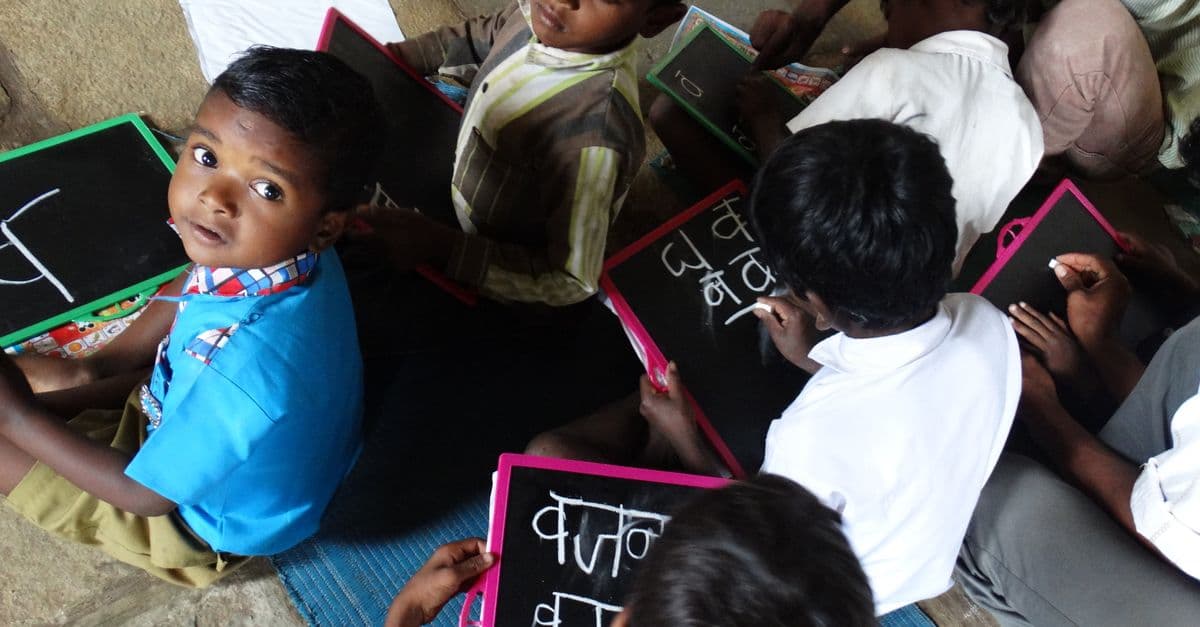
5 Benefits of Inquiry-Based Learning in Making Math Come Alive
IB News Desk
Moreover, the International Baccalaureate Organization is no longer satisfied with conventional teaching methods; therefore, inquiry-based learning emerges as an effective



The International Baccalaureate (IB) has continued its global expansion, now educating more than 1.95 million students across over 160 countries through more than 6,100 schools worldwide.
Founded in 1968 as a non-profit educational foundation in Switzerland, the IB has evolved into one of the world’s most recognized international education organizations. Today, its programmes serve students from early childhood through pre-university education, offering a complete learning continuum focused on inquiry-based education, critical thinking, and global citizenship.
The organization’s latest programme statistics show sustained global growth between 2020 and 2024, reflecting increasing demand for internationally recognized qualifications and future-ready education systems.
According to official IB statistical bulletins, the total number of IB programmes worldwide grew by approximately 34.2% between 2020 and 2024. (ibo.org)
Educational experts believe several factors are driving this expansion, including:
The IB currently operates across three major administrative regions:
This regional structure allows the organization to maintain consistent academic standards while adapting support systems to local educational contexts.
The International Baccalaureate offers four interconnected programmes designed for different student age groups.
Designed for students aged 3 to 12, the PYP focuses on inquiry-based learning, creativity, and international-mindedness during foundational learning years.
The MYP serves students aged 11 to 16 and bridges primary education with senior secondary studies.
The programme emphasizes:
The Diploma Programme remains the IB’s flagship programme for students aged 16 to 19.
Widely recognized by universities worldwide, the DP is known for its rigorous academic standards and focus on:
The programme includes core components such as:
According to IB data, thousands of universities across more than 100 countries recognize the IB Diploma for admissions and advanced standing opportunities. (ibo.org)
The CP combines academic coursework from the Diploma Programme with career-oriented learning pathways.
It is designed for students interested in practical and professional education while maintaining international academic standards.
The programme has gained popularity as schools increasingly focus on career readiness and workforce skills.
Educational analysts say the IB’s rapid growth reflects changing global expectations regarding education.
Traditional education systems in many countries are often criticized for focusing heavily on memorization and examination performance. In contrast, the IB emphasizes:
Parents and schools increasingly view these competencies as essential in a world shaped by globalization, artificial intelligence, and technological transformation.
The IB learner profile also promotes qualities such as empathy, open-mindedness, and lifelong learning, which are becoming increasingly important in modern education systems.
One of the biggest reasons behind the IB’s worldwide popularity is its strong recognition among universities.
Top institutions in countries including:
accept IB qualifications and often value IB students for their academic preparedness and independent learning skills. (ibo.org)
Educational researchers have also noted that IB students frequently demonstrate stronger research, writing, and time management abilities when transitioning into higher education.
As a non-profit foundation registered in Switzerland, the IB operates through multiple revenue sources.
According to official organizational information, funding primarily comes from:
The organization states that these funds support curriculum development, assessments, teacher training, and operational activities globally. (ibo.org)
The International Baccalaureate is governed by an elected Board of Governors responsible for setting strategic direction and overseeing financial management.
The organization publishes annual reviews and reports to maintain transparency regarding its operations, growth, and workforce policies.
In recent years, the IB has also highlighted its commitment to diversity, equity, and inclusion through initiatives such as its UK Gender Pay Gap Reports and global workforce equity measures. (ibo.org)
Current Director General Olli-Pekka Heinonen has emphasized innovation, accessibility, and future-focused learning as key priorities for the organization’s long-term strategy.
The IB has recently expanded its presence in emerging education markets across:
Several governments are also exploring partnerships with the IB to introduce inquiry-based and internationally aligned education models within public school systems.
For example, recent agreements in countries such as Bahrain aim to integrate IB programmes into public schools for the first time.
Education experts believe this could help broaden access to international-quality education beyond private institutions.
Despite its success, the IB also faces challenges related to:
Critics in some countries argue that IB programmes remain concentrated within elite private schools due to high operational costs.
However, IB officials have increasingly emphasized partnerships, accessibility initiatives, and regional collaboration to address these concerns.
As education systems worldwide adapt to rapid technological, economic, and social changes, the IB’s focus on adaptability and holistic learning is becoming increasingly relevant.
Experts believe the organization’s emphasis on:
aligns closely with the future needs of higher education and modern workplaces.
With continued global expansion and rising demand for internationally recognized qualifications, the International Baccalaureate appears positioned to remain a major force in international education.
The International Baccalaureate’s growth to nearly 2 million students across more than 160 countries highlights the increasing global demand for inquiry-based, future-focused education.
Through its four interconnected programmes, the IB continues to promote academic excellence, global awareness, and holistic student development at every stage of learning.
While challenges related to accessibility and affordability remain, the organization’s expanding partnerships, university recognition, and global reach demonstrate its growing influence in shaping modern education systems worldwide.
As education continues evolving in response to globalization and technological change, the International Baccalaureate is likely to play an even greater role in preparing students for the future.
Moreover, the International Baccalaureate Organization is no longer satisfied with conventional teaching methods; therefore, inquiry-based learning emerges as an effective
Families in India seeking a comprehensive and internationally recognized education system for their children are paying close attention to International Baccalaureate (IB) schools. The IB curriculum emphasizes inquiry-based learning, critical thinking, and real-world problem solving, in contrast to traditional curricula that place a strong emphasis on memorization and exams. IB schools are becoming a more appealing choice for pupils seeking international academic possibilities and well-rounded personal development because of their age-appropriate programs and great recognition from colleges across the globe.
The International Baccalaureate (IB) continuum came to life at Rivercrest Christian College’s Festival of Learning, where students across the PYP, MYP, and DP showcased their academic journeys through inquiry-driven projects and reflections. From early explorations of global issues to advanced research and critical thinking, the event highlighted how IB education nurtures independence, creativity, and real-world understanding while bringing the entire school community together.